Dear Theophilus , (Letter 37. )
As I promised you in the last letter, we will continue with our exploration of some other aspects of Christianity, aspects which underline the importance of the material world for Christianity.
The starting point is that God is the Creator of everything visible and invisible. And it is here that a problem arises. God is eternal and uncreated whereas creation is not eternal and is created from nothing. It is not that God was working and reworking pre-existent material. He started from nothing and created all that there is. But the fact that the world had a beginning meant that it also has an end and could easily revert back to the nothing from which it had come. In order for the world to continue existing it has to come into a relationship with the Creator and this was the role that was assigned to man. He was to be the intermediary who would ensure that the world attained eternal being by relationship with God. Without man playing this role, ‘death’ enters and the world disappears.
This is the crux of the fall of man – not some literal eating of a forbidden fruit but a failure to bring creation into a lasting relationship with God. God created the world finite and therefore, by its nature subject to mortality. The goal for creation was not mortality, but eternal life through union with creation’s Creator.
What is described in the early chapters of Genesis is how man failed in this and, instead of directing creation to God, he directed it towards man thereby condemning the world to decay and death. This is the essence of what is referred to as the fall. It is through the coming of Christ that this process is halted and is in fact reversed. Christ represents what man truly is, and should have been except for the fall. Ironically, Pilate discloses this when at the trial he refers to Christ and says – ecce homo – here is the man, man as he should have been in the mists of history. Christ is not just the true man but He is also the priest and he underlines the fact that man is also to be the priest of creation and through this help creation to attain what Adam failed to do in Eden.
What the Church has partially lost is the realization of the importance of the material world and the role that it has to play in salvation of the whole cosmos. We have been seduced by the idea that what is central to man is the intellect forgetting that man is also part, an integral part, of nature and this is not something to be shunned or ignored but to be embraced if God’s creation project is to proceed and succeed. The imago Dei is not only the rational component of man – it is the totality of man, including his material being. Our civilization has become human-centred and reason-dominated and this position has brought the Church into conflict with the sciences. So, how does the Church answer these charges?
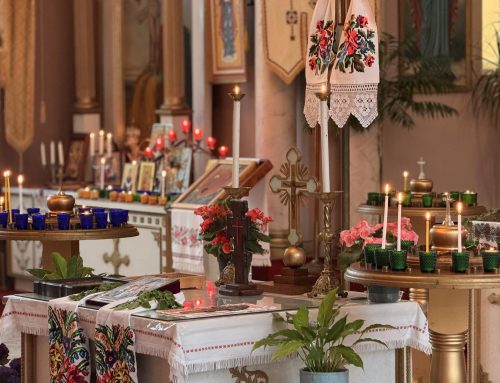
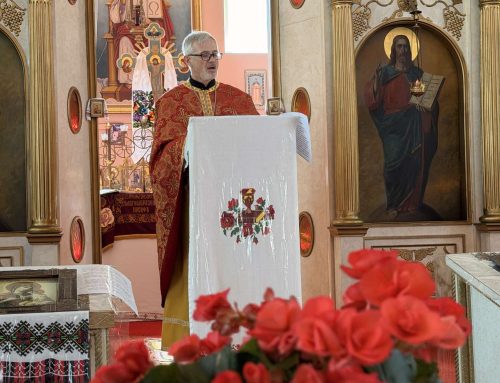
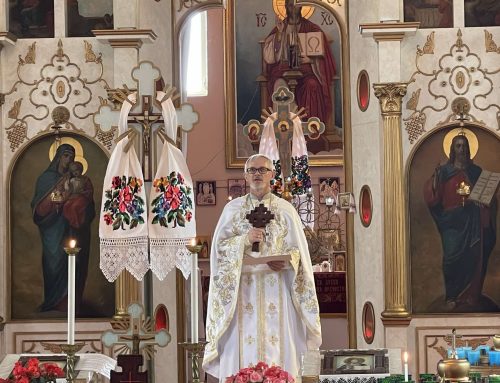
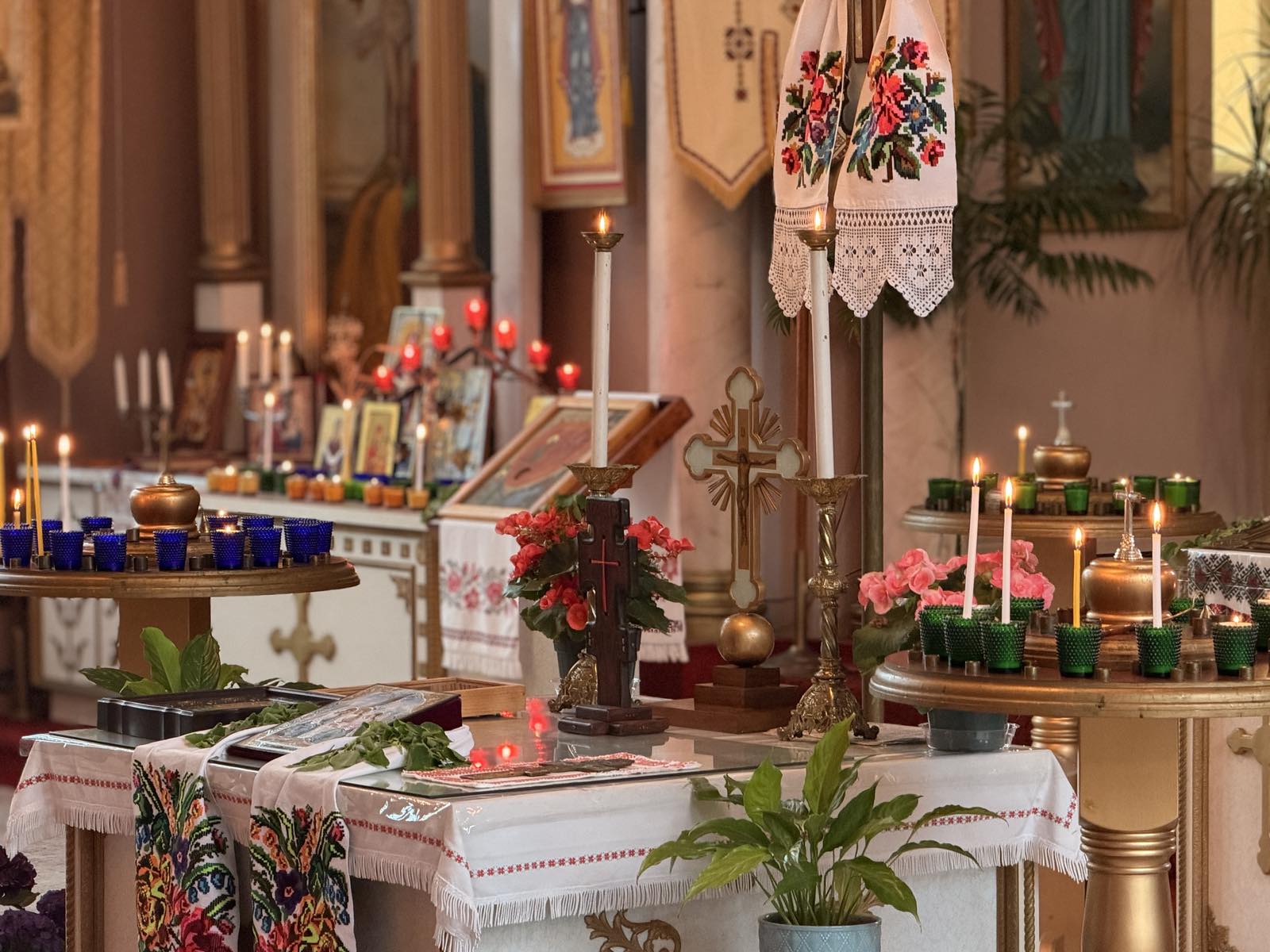
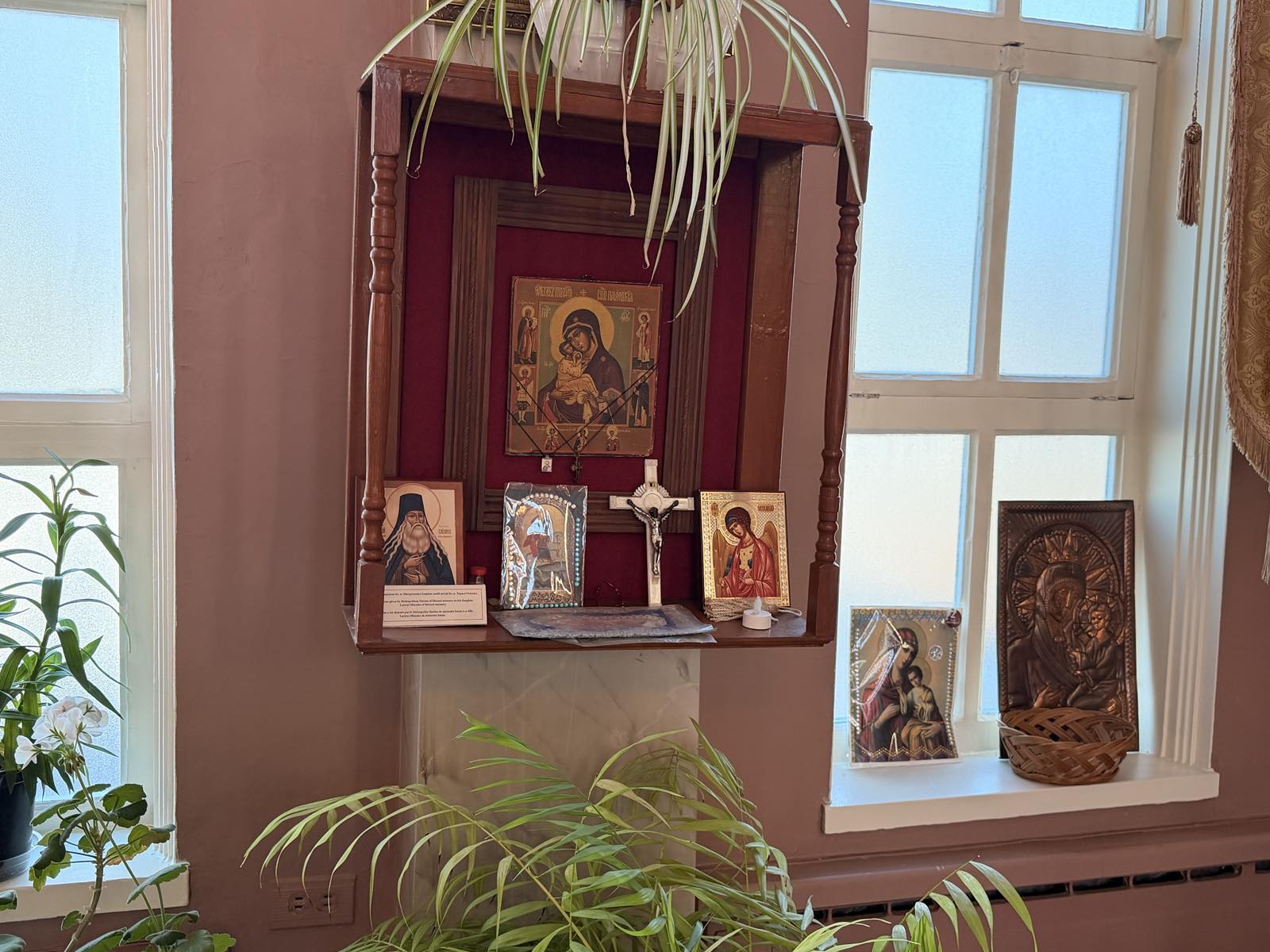
It is through the worship of the Church that we come into contact with the deepest beliefs of the Church. If we were to take a survey of ancient liturgies – without exception – they involve a sanctification of time and of matter. The religious services involve the believers with each other and with the material world. Man’s various sense are addressed – the eyes through the icons, the nose through the incense, the ears through the chanting. Through the litanies the whole world is brought forward before the believers during the service as a reminder that the whole of creation is brought before God for blessing as prayers are offered for harvest, for good weather, for the rulers, etc. The material world is there front and centre.
We shun ourselves from material creation because we are shocked and disturbed by its transience and corruptibility but we must continually remind ourselves that this is not the final story – even this material world will be redeemed, for otherwise, this creation project will have failed and anything that God undertakes cannot fail.
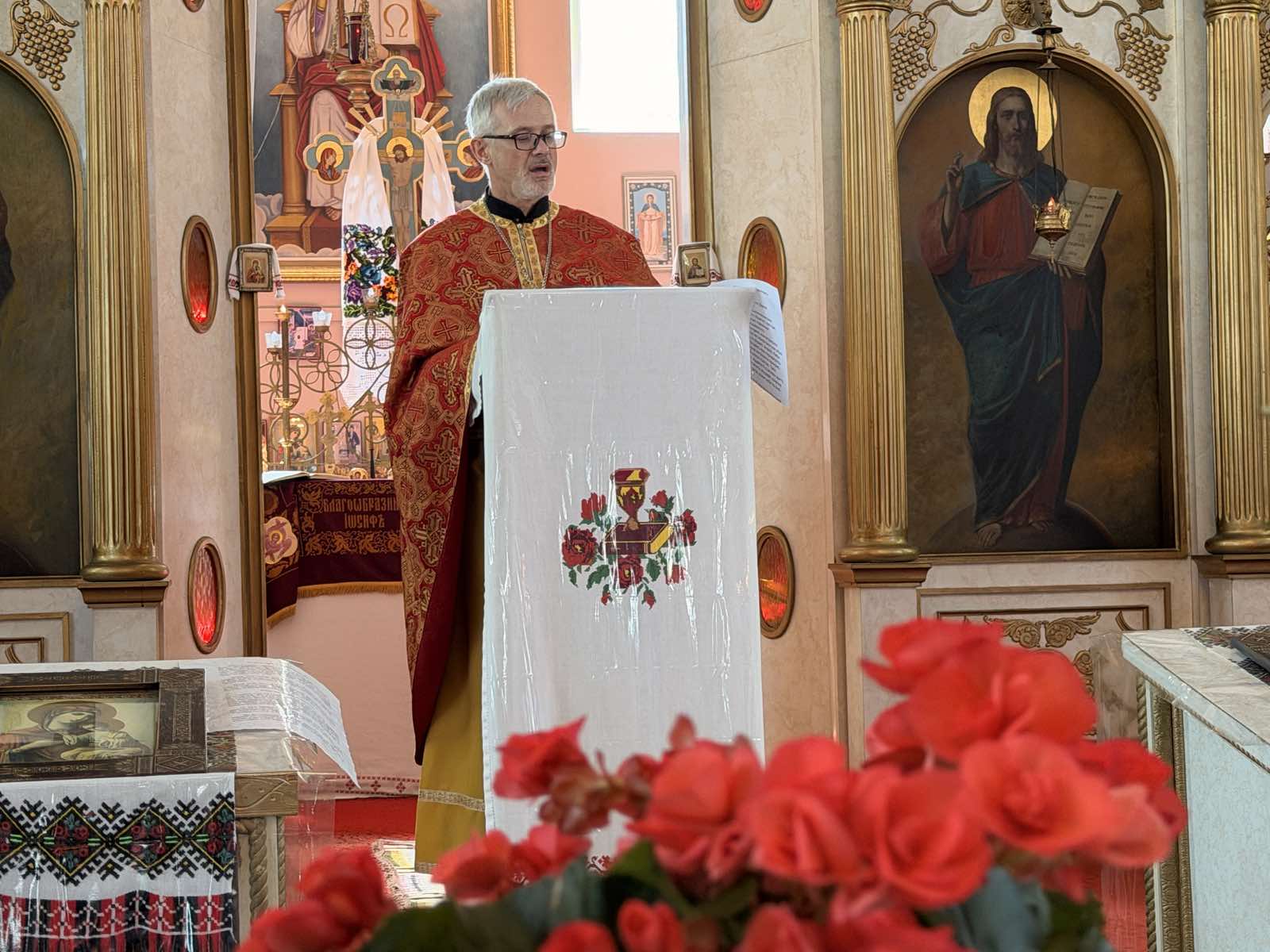
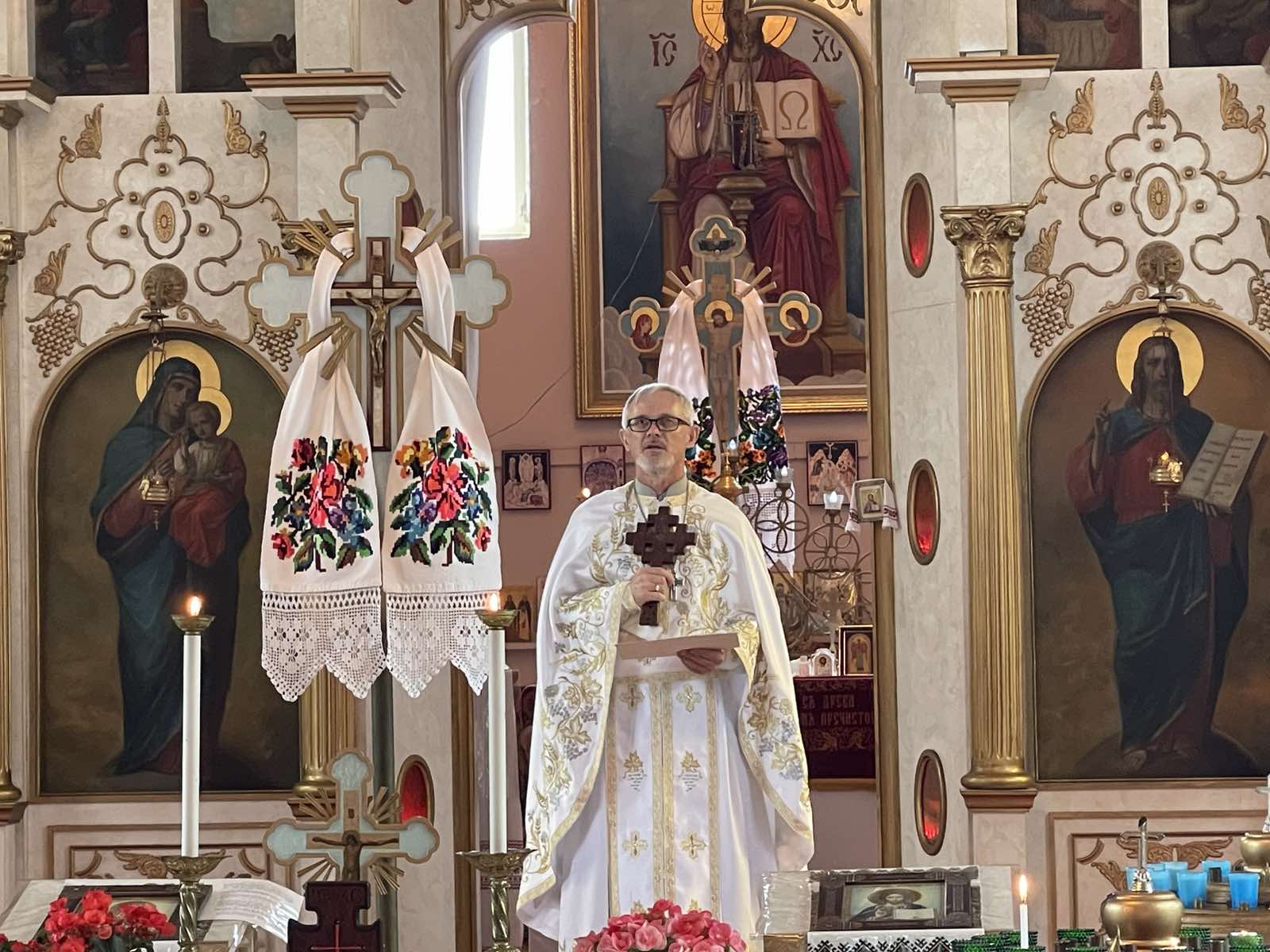
What comes out in all this is that man is called on to be a priest of creation. When we think of priest we often recall things such as offering sacrifices and being an intermediary between God and man. These are all very important but they also remind us of another aspect to humanity’s priesthood.
Through Adam, man made himself the centre and focus of creation and this had a disastrous result. The world is not some chance occurrence without any meaning but is a product of someone. We think that the atheistic views espoused in our time by those preaching scientism are modern. They are far from that and are really old and not very progressive ways of seeing creation. In fact it was the pre-Socratic philosopher Empedocles who proposed that parts of animals and plants first arose by chance and those attributes or properties that helped the plants or animals survive and to propagate, were maintained. Does this not sound like Darwinian teaching, something which preceded Darwin by over two thousand years?
Atheists in the first centuries AD attributed the world to certain laws inherent in nature which caused the world to be and to function. The Epicureans attributed the world to pure chance. (It is amazing how all of these ideas remind us of what is being espoused in our time as the latest views on the world.) What is being passed off as something new and modern is not this at all – it is simply a rehash of something old and not enlightening at all. In fact, it is this view that has led to the ecological challenge that the world is now facing. We may now better understand some of the mechanisms that underlie biological and physical changes but it is important to point out – and this is rarely done – that much of what is being passed off as new ways of seeing the world are really old hat.
The view that the world was created by God is still the most intellectually satisfying and consistent view. And it also opens the door for a better understanding of the world and the reason why there is anything at all – an important point that I have made in the past to the question on which science remains, rightfully so, mute.
What the idea of priesthood indicates to us is that we have an obligation for this fragile creation of ours and its fragility is being brought to the fore through our continuous abuse and misuse of creation which we have treated mainly as a source of raw materials for our technological advances. Creation is not there solely for our satisfaction and the story of Adam underlines this point. The point is that Adam was to become the priest of creation and through this to refer creation back to the Creator and thereby ensure the survival and thriving of the world and the cosmos. The first Adam failed in this and it was the second Adam – Christ – who successfully initiated this ongoing task and we are now also involved in redeeming creation.
To a certain extent, we have lost consciousness of the importance and eternal value of material creation which is to be seen as a blessing and which is to be blessed by referring matter back to its original maker. We must return to a liturgical view of creation as something that we bring before God for blessing and redemption. This is the central part of this wondrous and magnificent tale that is the Christian story, a tale which has cosmic features to it as the whole universe is brought before God for blessing. How we have lost the sense of this wonder and majesty and gotten ourselves stuck in juridical calculations and condemnations! Of course there are failings and there is sin and there is evil and there is corruption and there is death – and we cannot close our eyes to these aspects of the world – but we cannot allow them to take centre stage and displace the wondrous and epical narrative in which each of us has a role to play to ensure that God’s daring creation project succeeds. Stories such as Star Wars and Lord of the Rings and all the epic tales ever written are just weak echoes of this wonderful tale of creation and its redemption. These stories echo in the hearts of all humans and speak of the longing that has been planted there and that needs to be nourished and satisfied.
It is the human being that is called on to be the link between the world and God and it is precisely this that makes man responsible in a very profound manner for the fate of creation. The fact is that man is the only being entrusted with the responsibility to oversee the successful outcome of this wondrous universe of ours. If we would come to realize this, then this would give us grounds to care for this world and to correct what has happened to it through our promulgation of Adam’s sin by looking selfishly at matter and the world as if their only purpose is to satisfy our needs, rapacious as they are.
Sincerely,
Bar-Abbas